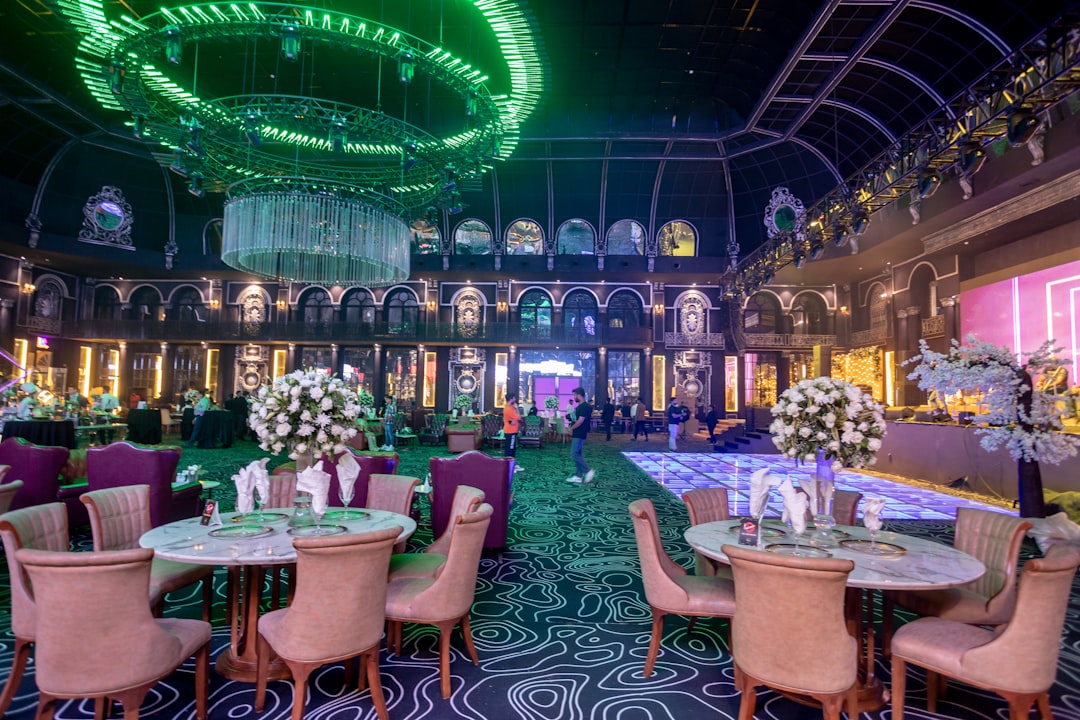
Live music should feel electric, not risky. But recent headlines, including BBC reporting on the shooting of rapper Offset in Florida, are a reminder that show safety is no longer a side conversation—it is part of the event experience itself. For fans, that means learning smart fan tips before you head out. For venues and promoters, it means tightening audience safety and security in live events without turning the room into a fortress. And for touring crews, it means building an emergency plan that works under pressure, not just on paper.
This guide is designed as a practical, scene-first playbook. It covers entry screening tips, personal prep, crowd dynamics, venue security decisions, crew coordination, and the role fan networks can play in looking out for one another. If you care about getting to and from events safely, making better decisions in the moment, and preserving the vibe that makes live events special, this is the definitive checklist to keep on hand.
Why show safety matters more now
Recent incidents changed the conversation
Any serious guide to crowd safety has to begin with the obvious: the risk landscape has widened. Not every incident is the same, and most events do go smoothly, but the stakes are higher when alcohol, dense crowds, transportation pressure, social media attention, and artist visibility all collide. The BBC report about Offset’s shooting underscored how quickly a night connected to entertainment can shift from celebration to emergency. That does not mean fans should stay home; it means the scene needs better habits, better planning, and better communication.
There is also a wider lesson here for organizers: safety is not only about major threats. Slips, falls, dehydration, panic surges, harassment, theft, and medical issues are far more common than headline-grabbing violence. In other words, risk reduction starts with the everyday stuff. The best event operators think like planners, not just hosts, which is why guidance from adjacent fields like resilient service design can be surprisingly useful when you are building layered contingencies for live events.
Safe events feel better, not worse
One myth that keeps venues from improving security is the belief that visible precautions kill the vibe. In reality, smart safety can increase confidence, reduce confusion, and make the room feel more welcoming. Fans relax when they know where exits are, where to get help, and how to report trouble. Touring crews work better when load-in, backstage access, and medical escalation are mapped clearly. A well-run show feels effortless precisely because the systems underneath it are disciplined.
That discipline also helps venues protect reputation and revenue. Fans remember when staff were calm, informed, and respectful under pressure. They also remember when a room felt chaotic or when simple questions about security produced inconsistent answers. For operators thinking about broader operational readiness, the logic is similar to what you see in capacity planning: you prepare for stress before it arrives, not after the incident has already started.
The goal is confidence, not fear
The healthiest show culture does not train people to panic. It trains them to observe, respond, and support each other. That is why fan communities, street teams, local promoters, and venue staff all matter. If everyone knows the basic playbook, the whole event becomes easier to manage. This is also where tools that support community verification, like audience fact-checking programs, can help stop rumors from spreading when an incident does occur.
Good safety thinking is culturally aware, too. Different scenes have different norms around pit etiquette, dress, line camping, afterparties, and meet-and-greets. A metal show, a club night, a comedy taping, and a warehouse rave all carry different risks. The common thread is trust: fans trust the venue, the artists trust the crew, and everyone trusts that the room will handle stress with professionalism.
Before you leave home: a personal safety prep checklist
Know your plan, not just your ticket
Your safety starts before you ever enter the building. The smartest fans treat a show like a small travel plan: know your route, budget your time, and have a fallback if something changes. Before heading out, check the venue address, door time, bag policy, weather, parking, rideshare pickup spots, and public transit options. If your night includes multiple stops, use a planning mindset similar to budget trip planning so you do not arrive rushed, dehydrated, or without a clear exit strategy.
It also helps to share your plan with someone you trust. Tell them where you are going, who you are with, and what time you expect to be home. If you are attending solo, that is still fine—just build a communication check-in with a friend. The point is to reduce uncertainty so you can focus on the show, not scramble when the night changes shape.
Pack for safety, not just comfort
A good show bag is small, legal, and useful. Keep it simple: phone, ID, payment method, portable battery, medication, ear protection, and a light layer if you will be standing in line outdoors. If you have health conditions, carry what you need and know how to access it quickly. For people who are prone to sensory overload or anxiety, even small items like foam earplugs can make the difference between leaving early and staying present.
Think of the bag as a risk-reduction toolkit. If you are traveling to the venue by transit, bring a charger and know your return route. If the event is outdoors, pack water if allowed and dress for the temperature swing. If you are going with friends, agree in advance on a meetup point if you get separated. Practical prep often looks boring, but it is what keeps a fun night from turning into a survival drill.
Set boundaries before the room gets loud
One of the most overlooked parts of concert etiquette is pre-setting your boundaries. Decide whether you want to be near the stage, in a seated area, at the back, or close to an exit. If crowds make you uneasy, choose a position that gives you visibility and a way out. If you are going with friends, let them know whether you are comfortable in a pit or prefer a calmer zone. Clear expectations reduce friction later.
This is also a good time to think about alcohol and other substances. You do not need a lecture; you need an honest plan. Know your limit, pace yourself, and do not accept drinks from strangers. If your group is mixing nightlife with a show, the odds of poor decisions increase. Safety often comes down to that one quiet choice made before the set starts.
Entry screening tips that improve safety without creating drama
What venues should look for at the door
Entry screening is one of the most sensitive parts of venue security because it sets the tone. Fans want to feel welcome; staff need to keep weapons, contraband, and dangerous items out. The best screening process is fast, consistent, and respectful. That means clear signage before the line begins, published bag policies, and trained staff who can explain rules without improvising or escalating tension.
Screening should be layered, not theatrical. A competent entry team checks tickets, scans bags where policy requires it, watches for behavior that suggests intoxication or agitation, and maintains line flow. If a venue is using technology or new protocols, staff need training on how to apply them consistently. For a useful parallel, see how organizations think about safety patterns for customer-facing systems: strong guardrails work best when they are predictable and human-centered.
How fans can make screening smoother
Fans can help a lot by preparing at home. Keep your ID accessible, follow the posted bag rules, and avoid bringing prohibited items just to test the system. If a venue says clear bags only, believe them. If it says no outside beverages, do not argue your way into a better outcome. Every minute saved at the door is one less minute of crowd compression outside the entrance.
Respect also matters. Security staff are often the first people fans encounter, and their job is harder when everyone is impatient. A calm, organized line lowers stress for everybody. If you have mobility issues, medical needs, or accessibility questions, contact the venue in advance when possible. Good venues want to help, and clear communication before doors open is always easier than trying to solve access issues at peak rush.
What not to normalize
There are a few dangerous habits scenes sometimes shrug off. One is tailgating through the door behind a larger group, which can overwhelm screening. Another is slipping around staff when the line gets dense. A third is pressuring security to overlook policies for “just this once.” Each of these habits weakens trust and creates gaps in the system. If the scene wants safe, enjoyable events, it has to stop rewarding shortcuts that make the room less secure.
Venues can reinforce this with signage, staff coaching, and positive messaging. Fans are more likely to cooperate when they understand why a rule exists. That is where thoughtful announcement writing comes in; clear messaging, like the techniques described in crafting engaging announcements, can turn dry policy into something calm and easy to follow.
Venue security that protects the vibe
Design the room to prevent bottlenecks
The physical layout of a venue can either reduce risk or create it. Bottlenecks at doors, bars, merch tables, bathrooms, and exits are where minor problems become major ones. The smartest venues watch crowd flow in real time and shift staff to the hottest points before pressure builds. If a queue starts to back up, the fix may be as simple as opening a secondary line or redirecting traffic, but that requires eyes on the room and the authority to move quickly.
There is a strong operational lesson here from digital infrastructure. Just as teams study real-time messaging integrations to catch failures before users feel them, venues should monitor their event “signals” continuously. That means attendance density, entry pacing, bar wait times, restroom congestion, and exit flow. You cannot manage what you do not observe.
Use visible staff, not just hidden rules
Fans feel safer when they can find help quickly. That means staff should be identifiable, informed, and distributed throughout the space. It is not enough to have one manager somewhere backstage; the audience needs visible points of contact. Simple cues like uniforms, radios, and clearly designated medical staff help the crowd know where to go. Venues should also train staff to de-escalate respectfully rather than simply enforcing rules with a hard edge.
Security and hospitality do not have to be opposites. A good room can be firm and warm at the same time. Staff can say no, but they should also explain the next step. This approach is the same reason some brands win trust in difficult categories: transparency matters. For a useful analogy, see trust signals in the digital age, where clarity reduces uncertainty and friction.
Keep the vibe by communicating early
The best way to avoid disruptive interventions is to prevent surprises. If there is a guest list delay, line issue, weather change, or capacity restriction, tell people early and tell them clearly. Use social posts, pre-show emails, venue signage, and announcer updates. Confusion breeds agitation, and agitation can snowball fast in a crowded room. A clear message is not only good customer service; it is crowd management.
For operators thinking about how to balance polish and efficiency, there is a relevant lesson in balancing transparency and cost efficiency. Safety communication is one place where “cheap” often becomes expensive later. If people know what is happening, they make calmer choices. Calm people are easier to serve and much easier to keep safe.
Crew safety and backstage risk reduction
Load-in, load-out, and late-night vulnerability
Touring crews face a distinct safety profile. They move gear in unfamiliar buildings, work odd hours, and often operate in exhausted conditions. Load-in and load-out are especially vulnerable because access doors are open, people are moving quickly, and attention is split between logistics and timing. A good crew has a clear chain of command, site map, contact list, and protocol for who can authorize access.
Backstage risk also includes theft, unauthorized access, and conflict between guests, vendors, and team members. Touring management should treat backstage as a controlled environment, not a social free-for-all. That does not mean creating an unfriendly atmosphere; it means defining where people are allowed, who has badges, and how to verify credentials. The best systems are boring, repetitive, and difficult to misunderstand.
Medical readiness and escalation paths
Every tour should know where the first-aid kit is, who the trained responder is, and when to call local emergency services. If your team expects pyrotechnics, heavy equipment, crowd surfing, or intense stage movement, plan for more than the minimum. Medical readiness is not just for catastrophic events; it is for cuts, falls, dehydration, panic attacks, and syncopal episodes. A calm, practiced response can prevent a small incident from becoming a full evacuation.
Think in terms of escalation thresholds. What happens if an artist gets hurt? What happens if a fan in the front row collapses? What happens if a storm warning hits while doors are still open? The point of an emergency plan is not to impress insurers; it is to shorten response time when the room is under stress. Clear thresholds save precious seconds.
Schedule like safety depends on it—because it does
Many crew problems start with fatigue. Tight turnarounds, long drives, late arrivals, and missed meals all degrade judgment. Crew leads should build schedules that include realistic rest, hydration, and communication windows. If a routing day is too aggressive, the probability of mistakes rises. This is especially important in smaller tours, where one person often wears multiple hats and there is less redundancy if something goes wrong.
There is a broader operational lesson here from other high-pressure systems: if you overbook every margin, the smallest delay can trigger cascading issues. That is why so many planning disciplines—whether in live events or in flight deal tracking—reward buffer time, not optimism. Safety is rarely about dramatic heroics. More often, it is about leaving enough room for reality to happen.
How fan networks can look out for one another
Build a buddy system that actually gets used
Fan communities are one of the strongest safety assets in live culture. A simple buddy system can prevent people from getting stranded, separated, or overwhelmed. Agree on where to meet if someone needs air, water, a bathroom break, or an exit. If you are attending with someone who is new to live shows, check in periodically rather than assuming they will speak up if they feel uncomfortable. Many safety issues are visible long before they become emergencies.
Buddy systems matter even more in large crowds or unfamiliar cities. They reduce the chance of panic, and they make it easier to help if someone loses a phone or gets separated after the encore. This is also where community organizing skills overlap with fan culture. Local scenes often already know how to share intel, so it is worth formalizing that instinct with tools and habits that keep people together.
Use peer reporting without turning into vigilantes
Fans should absolutely speak up when something feels off, but the goal is not to create a hyper-suspicious atmosphere. A better model is calm peer reporting: if you see someone in distress, notify staff; if someone appears separated from their group, help them find a venue representative; if a situation seems threatening, do not try to become the hero alone. The right move is often to get trained help involved as quickly as possible.
Community verification can also fight misinformation after an incident. Misinformed posts travel fast, especially in fan spaces, and they can intensify fear. The idea behind audience fact-checking is simple: trusted people in the community can help confirm what is known, what is not, and where official updates are coming from. That kind of trust is invaluable during a stressful night.
Normalize consent, space, and respect
Concert etiquette is a safety practice, not just a manners issue. Don’t shove, push through pockets of space, record in ways that obstruct others, or ignore someone’s request to step back. If a person says they are uncomfortable, believe them. Respecting boundaries keeps the social temperature lower, which in turn lowers risk. The same community norms that make a scene feel welcoming also make it safer.
When fans model that behavior, venues notice. Staff can focus on real threats instead of constant low-level conflict. And the energy of the night stays where it belongs: on the music, the performance, and the shared experience. Safety is not separate from culture; it is part of what culture feels like when it is healthy.
A practical comparison: who is responsible for what?
Good safety is shared work. Fans, venues, and touring crews each own different parts of the system, and the strongest events happen when those responsibilities are clear. The table below breaks down who should do what and where the biggest risk-reduction opportunities live.
| Group | Primary responsibility | Key actions | Common failure point | Best fix |
|---|---|---|---|---|
| Fans | Personal preparedness | Check policies, pack essentials, set meetups, know exits | Arriving rushed or unprepared | Use a pre-show checklist |
| Fans | Peer support | Buddy system, report distress, respect space | Assuming someone else will act | Make one clear helper responsible |
| Venues | Entry and crowd control | Screen bags, monitor flow, train staff, post signage | Inconsistent door enforcement | Standardize the process |
| Venues | Incident response | Medical access, escalation path, communication, exit routing | Slow response to small issues | Run pre-show drills |
| Touring crews | Backstage security and operations | Credential checks, site maps, rest planning, load-in safety | Fatigue and access confusion | Define roles and buffers early |
| Promoters | Policy alignment | Coordinate venue, artists, staff, and public comms | Mixed messages across channels | Use one approved event brief |
Actionable safety checklist for show day
For fans
Before leaving, confirm the venue rules, your ticket, your ID, and your ride home. Share your location plan with a friend and set a check-in time. Pack only what you need, keep your phone charged, and bring any medication or essentials you cannot do without. Decide in advance where you will stand and how you will exit if you feel unwell.
Once you arrive, take a minute to locate exits, restrooms, water, staff, and medical help. Keep your drink with you, stay alert to your surroundings, and watch your friend group. If a situation feels wrong, move away first and ask questions second. Safety is easier when you trust your instincts early.
For venues
Publish your rules clearly and repeat them everywhere people look: website, ticketing page, social posts, door signage, and staff scripts. Train the entry team to be fast and consistent. Keep a visible command point, identify medical responders, and make sure radios or communication tools actually work in the building. Monitor crowd density and adjust staffing before a hotspot becomes a hazard.
Just as important, review what happened after the show. Note where lines bunched up, where confusion started, and how long it took to respond. Continuous improvement matters. If your venue is learning from its own patterns the way teams learn from AI-assisted live-event safety systems, you can reduce friction without overpolicing the crowd.
For touring crews
Build a written day-of-show brief that includes venue contacts, load-in timing, secure access points, first-aid locations, weather contingencies, and evacuation logic. Keep your gear staging area organized so people are not crossing paths unnecessarily. Make sure everyone knows who can authorize changes and who handles emergencies. A clean chain of command prevents a lot of chaos.
Finally, protect crew energy. Hydration, rest, meal breaks, and route realism are safety tools, not luxuries. If your routing is aggressive, revisit it before it wears people down. For touring operations that want to stay nimble and reduce stress, lessons from staffing under pressure and resilient operations can be surprisingly relevant.
What to do if something goes wrong
Small incidents
If you feel faint, overwhelmed, or injured, move toward staff or medical support immediately. If you lose your group, do not wander aimlessly; go to a known checkpoint or ask a clearly identified staff member for help. If someone near you needs assistance, make space, avoid crowding them, and let the venue team take over. Small issues become manageable when they are spotted early.
Serious incidents
In a serious emergency, follow venue instructions, move away from danger, and do not create secondary congestion by filming or freezing in place. If the venue initiates evacuation, leave quickly and calmly. If you are with others, agree on a reunion point outside the building. The objective is to preserve movement and reduce confusion, because confusion is what makes emergencies worse.
Aftercare and reporting
After the event, report what you saw if it helps improve the next show. Did a line feel unsafe? Was a staff response slow? Were exits unclear? Useful reports help venues refine their systems, and they help communities hold the right people accountable. Safety culture improves when feedback becomes part of the routine, not a once-a-year complaint cycle.
How ScenePeer-style communities can strengthen live-event safety
Local discovery should include trust signals
Fans do not just want to know what is happening; they want to know whether it is worth attending and whether it feels safe. That is where scene communities can add real value. Peer reviews, venue notes, accessibility comments, and post-show reports all create trust signals that make better decisions possible. A platform mindset rooted in local culture can do more than promote shows; it can help people attend with confidence.
In practice, that means curating information that goes beyond the flyer. What is the door policy like? Is the venue good about crowd flow? Is re-entry allowed? Are bathrooms accessible? These details reduce uncertainty and make the night smoother for everyone. For a broader look at how local discovery and community validation can work together, the logic parallels sharing community deals and building reliable recommendations.
Creators and venues benefit from transparent communication
Artists, promoters, and venue operators can use clear, audience-first communication to set expectations before the crowd arrives. That includes policies, age restrictions, showtimes, accessibility notes, and safety reminders. Great communication does not sound bureaucratic; it sounds helpful. The better the information, the less likely people are to make assumptions that cause friction at the door.
For creators thinking about how they present themselves during stressful situations, there is also value in knowing how to communicate with consistency. Guides like reintroducing a creator after a public absence show how important tone and timing can be when trust is being rebuilt. In live events, that same principle applies to safety messaging: be direct, calm, and human.
Community habits are the real long-term fix
Technology can help, but the culture of a scene is what determines whether safety practices stick. If fans normalize checking in on one another, venues normalize transparency, and crews normalize planning, then the entire ecosystem gets stronger. That is the difference between a one-off policy and a living safety culture. It is also the difference between a show that merely happens and a show people want to return to.
That is the real goal: not sterile perfection, but shared confidence. You want the kind of event where the crowd feels energized, the staff feels prepared, and the artists can focus on the performance. Safety is what makes that possible. It is not the opposite of fun; it is the infrastructure that makes fun sustainable.
Final takeaways: a safer scene is a stronger scene
Safe shows are built by many hands. Fans prepare, venues screen and guide, touring crews plan and communicate, and local communities reinforce the norms that keep everyone steady. The biggest lesson from recent incidents is not to be afraid of live events, but to respect them enough to plan well. Use the checklist, know the venue, look out for your people, and speak up early when something feels off.
If you want live culture to keep thriving, support the systems that make it resilient. That includes smart security tools, better communication, and stronger peer networks. It also includes the simple act of paying attention. The scene is safest when everyone treats safety as part of the experience, not an interruption to it.
FAQ: Staying Safe at Shows
How can I improve my personal show safety fast?
Start with the basics: know the venue rules, charge your phone, bring ID, set a meetup point, and locate exits when you arrive. If you are with friends, agree on a check-in plan before doors open.
What should venues prioritize first for crowd safety?
Clear communication, consistent entry screening, visible staff, and a workable emergency plan. The goal is to reduce confusion and keep crowd flow moving smoothly.
How can security be strong without ruining the vibe?
Use respectful, predictable screening and visible help points. Fans usually respond well when rules are explained clearly and enforced consistently.
What should I do if I feel unsafe in a crowd?
Move toward an exit or open space, find staff or medical help, and alert your group. Do not wait for a problem to escalate before acting.
How can fan communities help during incidents?
They can share verified updates, look after separated attendees, and direct people to staff rather than spreading rumors or trying to handle serious situations alone.
Related Reading
- Privacy-First Personalization for 'Near Me' Campaigns - Why local discovery works best when trust and relevance come first.
- Using AI to Enhance Audience Safety and Security in Live Events - A closer look at modern tools venues can use without overcomplicating the experience.
- The Audience as Fact-Checkers - How fan communities can keep information accurate during fast-moving situations.
- A Local's Guide to the Best Transit Routes for Sports Fans - A useful lens for planning safer, smoother event arrival and exit routes.
- 5 Must-Have Accessories to Pair with a $44 Travel Monitor - A practical packing mindset that translates well to show-day prep.