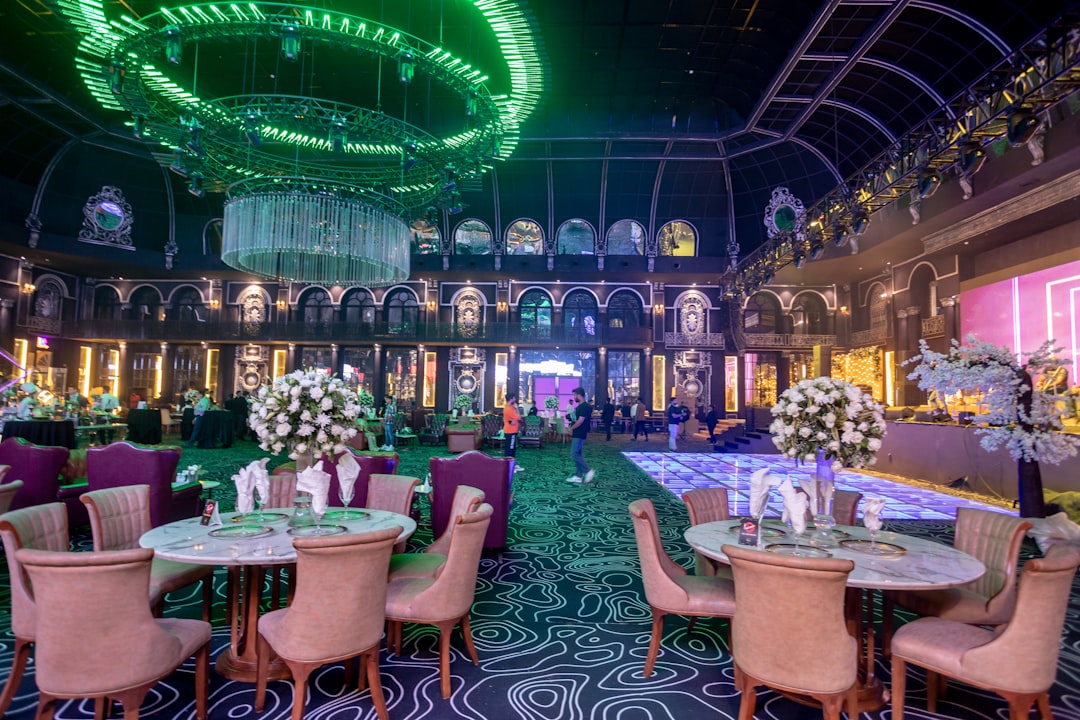
The return of Rocky Horror to Broadway isn’t just a revival story—it’s a live case study in how audience participation is being redesigned for a new era of interactive theater. For decades, the show’s magic has lived in the friction between performer and crowd: shouted callbacks, thrown props, spontaneous dancing, and the joyful anarchy that turns a performance into a communal ritual. But today’s fans arrive with different expectations than audiences did 20 or 30 years ago. They want the thrill of a tradition that feels alive, but they also want clearer boundaries, stronger consent culture, and safer spaces to participate without pressure.
That tension is exactly why this new Broadway staging matters beyond the theater district. If you work in live music, fan events, venue programming, or creator-led gatherings, the questions at the center of this Rocky Horror production are your questions too: How much audience freedom is enough? Where does fan tradition become operational risk? How do you protect the spirit of participation without alienating first-timers or marginalized guests? In this guide, we’ll use Rocky Horror as a lens for building better curated content experiences, smarter show design, and more inclusive live events that still feel electric.
Why Rocky Horror Still Matters as a Participation Blueprint
It’s one of the original fan-powered live experiences
The Rocky Horror Show has long been more than a musical. It is a repeatable social ritual built on audience behavior, local tradition, and shared knowledge that is passed from regulars to newcomers. That makes it especially useful as a reference point for anyone designing repeatable live content routines or community-driven events that depend on audience energy. The show’s cultural power comes from the fact that participation is not incidental; it’s part of the product. In that sense, it resembles the best fan communities: the audience is not merely consuming the event, they are co-authoring it.
What makes the current Broadway conversation notable is that the old rules of “anything goes” no longer fit neatly in modern venues. Audiences are more diverse, more safety-conscious, and more aware that not all participation feels welcoming to everyone. That shift doesn’t weaken the format; it sharpens it. Productions now have an opportunity to design participation with intention instead of simply inheriting it as folklore. That mindset is central to modern iterative design, whether you’re producing theater, a comedy night, or a club residency.
Tradition is strongest when it’s legible
A lot of fan rituals become fragile when they are assumed rather than explained. Newcomers are left guessing what is allowed, regulars start treating insider knowledge like status, and the event slowly becomes harder to enter. The best interactive productions avoid that trap by making tradition legible: what the audience can do, when they can do it, and what the boundaries are. That’s the same logic behind trust-building through personal story; people engage more confidently when they understand the values underneath the experience.
In practical terms, clear signage, pre-show announcements, digital guides, and trained ushers can turn “tribal knowledge” into welcoming infrastructure. The audience still gets to be wild, but the production stops relying on chance. For live-event operators, that shift is invaluable because it lowers conflict, reduces confusion, and makes first-time attendees more likely to return. If you are planning your own fan-forward activation, borrow from the same logic used in campaign planning: define the rules of participation before the audience arrives.
Participation is a feature, not a loophole
One of the biggest mistakes event teams make is treating audience engagement as an uncontrolled bonus instead of a designed feature. When you frame participation as a feature, you can engineer it like any other part of the experience. That means deciding where the crowd can interrupt, where they should listen, what materials are allowed, what behaviors are encouraged, and what content requires consent-based moderation. It also means measuring the experience more thoughtfully, the way analysts use calculated metrics to translate raw activity into usable insight.
This is especially important for shows that attract highly devoted fandoms. Dedicated fans often bring deep emotional investment and a strong sense of ownership, which is fantastic for atmosphere but can create pressure for newcomers. The answer isn’t to flatten enthusiasm. It’s to build a participation architecture that channels it. That can be as simple as designated response moments, clearer prop policies, or call-and-response zones that preserve the fun while reducing unpredictable escalation.
Consent Culture Is Changing the Rules of Live Performance
Modern audiences expect clearer boundaries
The contemporary live-event audience has been trained by broader cultural shifts toward consent, accessibility, and safer social environments. Fans now want to know whether an event allows physical interaction, shouted interruptions, recording, costume participation, or site-specific movement. This is not a sign that audiences are less adventurous. It’s proof that they want adventure with clarity. Many of the best venue teams now treat this as a standard operational need, the way a venue might think about verification, ratings, and trust signals when screening a service provider.
In a Rocky Horror context, consent culture doesn’t eliminate the audience’s role; it makes the role safer and more inclusive. A first-time attendee may love singing along but not want props thrown near them. A disabled attendee may want to join the room’s energy without navigating a chaotic aisle. A neurodivergent guest may appreciate a participatory show but need predictable moments and volume cues. When productions acknowledge those needs up front, they expand the audience rather than narrowing the experience.
Safety and spontaneity are not opposites
There’s a myth that safety and spontaneity are in conflict, when in reality good design makes spontaneity possible. If a show has transparent rules, trained staff, and a way to intervene quickly, the crowd can relax into the experience with less anxiety. Think of it like travel planning: the best trips aren’t the least structured, but the ones with enough structure to handle surprises. That’s why operational guides like cost-conscious destination planning or weather-proofing an event translate well to live entertainment.
The same principle applies to fan traditions. A ritual becomes safer when it has visible rails. A callback becomes more inclusive when newcomers know it’s optional. A prop tradition becomes more sustainable when the production controls what enters the space. That’s not anti-fandom; it’s pro-longevity. And longevity matters because the most successful community events are the ones people can trust year after year.
Accessibility is part of consent
Accessibility should be treated as a participation tool, not an add-on. If an audience member cannot physically access a participation moment, cannot hear the cue, or cannot understand the rules in time, then they are effectively excluded from the ritual. Productions that want to modernize fan tradition need to consider seating sightlines, captioning, sensory-friendly options, and multiple ways to participate. The inclusive design conversation in entertainment is increasingly informed by adjacent fields, including assistive setups for disabled streamers and gamers and broader accessible experience design.
That matters because inclusive performance doesn’t just help the people who have explicit access needs. It improves the experience for everyone by making the environment more navigable and less stressful. When the room clearly communicates what’s happening, attendees spend less energy decoding chaos and more energy enjoying the show. In the end, accessibility and excitement reinforce each other rather than compete.
What Broadway’s Rocky Horror Can Teach Show Designers
Design for levels of participation, not a single mode
Interactive theater works best when it offers multiple participation levels. Some people want to sing, some want to dance, some want to clap on cue, and some want to observe while still feeling part of the room. Designing for layers of engagement is a strategy borrowed from smart audience segmentation, similar to how audience heatmaps identify the clusters most likely to engage deeply without forcing everyone into the same behavior. In theater terms, this means creating a format where the loudest fans can go all-in while quieter guests still feel invited.
That approach also improves repeat attendance. A person who attends once as an observer may come back later to participate more actively after they understand the rhythm of the room. But if the first experience feels hostile or overly opaque, they may never return. The best fan traditions are built like good onboarding systems: they let you enter at your own pace, then gradually deepen your involvement. That’s the logic behind community-centered experiences like dynamic playlists for engagement—different people need different entry points.
Use staff as culture carriers, not just rule enforcers
In a participatory environment, front-of-house staff do more than check tickets and point to seats. They interpret the culture of the event. If they understand the show’s norms, they can redirect a confused guest, de-escalate overenthusiastic behavior, and reinforce the tone of the night without killing the vibe. This is similar to how high-performing event teams learn to communicate under pressure, much like professionals in high-stakes media environments who study stress management in press conferences.
When staff are empowered to explain rather than simply police, audience trust increases. That trust is critical in fan-heavy spaces, where regulars may resist formal rules unless they see them as legitimate and well-communicated. A strong house team can preserve the mythology of the event while still protecting guests. In practical terms, that means training staff on common callback moments, prohibited behaviors, accessibility accommodations, and how to intervene without shaming attendees.
Build in moments of controlled release
The reason audience participation works is because it gives people a structured way to release energy. If you remove all the release valves, you don’t get calm—you get pressure. Designers can learn from game systems that build surprise into predictable structures. That principle appears in everything from secret-phase raid design to live content formats that reward anticipation instead of randomness.
For a theater production, the equivalent might be a few designated moments where the audience knows they can go loud, plus other moments where the room intentionally settles. That ebb and flow creates rhythm. It also makes the peak moments feel bigger because they are contrasted against restraint. Good show design doesn’t suppress chaos; it calibrates it.
What Live Music and Fan Events Should Borrow from Rocky Horror
Make the rules visible before the crowd arrives
Live music promoters and fan-event organizers often assume the audience will “just know” the norms. That assumption fails the moment you attract a broader crowd, a younger crowd, or first-timers from outside the core scene. Clear pre-show messaging can prevent avoidable conflict: what the dress code is, whether chanting is welcome, whether audience recordings are allowed, which sections are standing-room, and how to get help if something feels off. In practice, this is no different from making sure a vendor or partner is reliable by checking the equivalent of scorecards and red flags.
For smaller events, this visibility can be low-cost and high-impact. A concise event page, a pinned social post, a venue video, and a pre-event email can do most of the work. The point is not to over-explain away the fun; it’s to reduce uncertainty. The more clearly you define the container, the more fully people can enjoy what happens inside it.
Think like a curator, not just a scheduler
Fan communities respond to curation because it helps them find what fits their energy, values, and social appetite. That’s why successful event organizers increasingly behave like scene curators, not just calendar managers. They sequence experiences intentionally, build anticipation, and create pathways for attendees to return. This is where lessons from repeatable live content and dynamic playlists become especially useful for events that need to feel cohesive rather than random.
For example, a venue might pair a high-energy performance with a quieter post-show Q&A, or a fan meetup with a moderated trivia segment that invites participation without forcing it. That creates multiple emotional textures in one evening. It also broadens the audience base because people can choose their preferred mode of engagement. The more thoughtfully you design these layers, the more likely you are to build a loyal local fanbase.
Use trust signals to reduce social friction
Trust is a design element. It can be communicated through signage, moderation, ticketing language, and the behavior of hosts and staff. Attendees are much more likely to relax when they see that the event is organized, intentional, and respectful of different comfort levels. In that sense, show operations borrow from all kinds of sectors—from hotel-style booking trust to transparency in contracts.
For live events, one of the easiest trust signals is consistency. If your event says “participation is optional,” then staff should never pressure people to join in. If the venue says “photos allowed only at certain moments,” that rule needs to be enforced consistently. A trustworthy event doesn’t need to be rigid; it just needs to be predictable in the ways that matter. That predictability is what lets fans take bigger social risks, because they know the environment has their back.
A Practical Framework for Balancing Tradition and Consent
Map the traditions you want to keep
Not every legacy behavior deserves preservation. Start by identifying which audience rituals are core to the experience and which are just accumulated habits. Ask whether a tradition increases joy, deepens immersion, helps strangers feel connected, or reinforces the show’s identity. The best traditions are the ones that create a shared language. The weaker ones are often just residue that nobody has questioned in years.
This kind of assessment works better when you document it. Event teams can create a simple participation map: what happens, who initiates it, what the audience needs to know, and whether the ritual has any safety, accessibility, or consent concerns. That’s the same mindset used in maturity models and comparative systems thinking, where the goal is to understand not just what exists, but how well it works. In live settings, the reward is clarity: you preserve the soul of the event without freezing it in amber.
Define what must be opt-in
Some forms of participation should be optional by design, not assumed by default. That includes physical interaction, audience call-backs that may be disruptive, costume-based participation, and any moments that may involve contact, surprise, or proximity. If there is uncertainty about whether a behavior is welcome, the answer should be no unless it has been explicitly consented to. This is especially important in fan spaces where enthusiasm can blur personal boundaries if nobody names the line.
One useful model is to separate “ambient participation” from “direct participation.” Ambient participation includes cheering, singing, themed attire, and group energy. Direct participation includes things like being pulled on stage, being touched, being singled out by performers, or entering performance spaces. The first can be widely encouraged. The second should be clearly governed and, when possible, opt-in. That distinction preserves excitement while reducing risk.
Measure success beyond decibel level
It’s easy to assume a loud room is a successful room. But decibel level is not the same as audience satisfaction, inclusivity, or long-term loyalty. The most useful events measure whether first-timers understood the rules, whether returning guests felt the tradition remained alive, and whether people with different comfort levels still found a way to participate. That’s similar to how smart operators avoid confusing surface activity with actual value, a trap discussed in market forecast analysis and other strategy work.
In practice, collect post-show feedback, watch for repeat attendance, and talk to both regulars and newcomers. Ask what felt exciting, what felt unclear, and what felt exclusionary. Those answers will tell you far more than applause volume alone. A truly healthy participatory event is one where the energy stays high while the barriers to entry stay low.
Data, Design, and the New Economics of Participation
Interactive events need operational discipline
Participation may feel spontaneous, but the systems that support it must be disciplined. Staffing plans, crowd flow, safety protocols, inventory policies, ticketing language, and escalation procedures all shape whether the event feels free or fraught. This is why live-event operators are increasingly learning from adjacent industries that deal with surges, like retail launches and digital systems that must withstand spikes in demand. Even something as seemingly far afield as web resilience for retail launches offers a useful lesson: prepare for peak load before it happens.
For a participatory show, peak load might be emotional rather than technical. The moment the crowd realizes it can fully engage is when the room becomes most unpredictable. If your event can absorb that surge—without confusion, injury, or exclusion—you’ve built a stronger product. That operational readiness is increasingly part of the value proposition for venues that want to attract repeatable fan traffic.
Fan communities reward authenticity, not over-control
There’s a delicate balance between structure and overmanagement. If organizers over-sanitize a participatory event, they risk draining the vitality that made it compelling in the first place. Fans can sense when a production is trying to domesticate a beloved tradition too aggressively. That’s why the best redesigns feel like stewardship rather than corporate cleanup. They protect the core emotional contract with the audience while improving the environment around it.
This is also why authenticity matters in branding. The more a production feels like it understands the community from the inside, the more likely people are to accept changes. That principle shows up in reputation building across industries, from trust-based storytelling to small-scale creator ecosystems. The lesson for live events is simple: don’t just tell fans what they can’t do—show them how the updated experience still belongs to them.
Better design makes participation monetizable
When a live event is safer, clearer, and more inclusive, it becomes more scalable. That doesn’t mean turning fandom into extraction. It means creating conditions where more people feel comfortable buying tickets, bringing friends, returning, and spending on merch or post-show experiences. The healthiest monetization in community events comes from trust, not manipulation. That’s why smarter event ecosystems increasingly look at curated discovery, community validation, and repeat engagement as part of the revenue picture.
From that angle, the Rocky Horror conversation is bigger than one Broadway show. It points toward a future in which live experiences succeed because they are both wild and well-designed. The best fan events won’t be the ones that simply permit participation. They’ll be the ones that craft participation into a coherent, inclusive, and memorable system.
What Scene Builders Can Do Next
Create a participation policy that reads like an invitation
If you’re running a venue, concert series, podcast taping, or fan meetup, write down your participation rules in plain language. Explain what kinds of audience energy are encouraged, what behaviors are off-limits, and how guests can ask for help. Make the tone warm, not punitive. A good policy feels like an invitation to belong, not a warning label.
Then train your hosts and staff to say the same thing consistently in the room. When messaging matches behavior, the event feels trustworthy. When it doesn’t, attendees notice immediately. Consistency is a form of hospitality, and hospitality is what keeps communities coming back.
Design for first-timers and die-hards at the same time
The most resilient fan events are legible to newcomers and rich enough for longtime devotees. You can do both by layering the experience: a simple entry point, optional deeper participation, and enough inside knowledge to make repeat attendance rewarding. That’s the same principle behind strong community programming, where you want both curiosity and belonging to coexist. It’s also why smart organizers study audience behavior instead of assuming one-size-fits-all enthusiasm.
If you need a model for how to keep the core experience exciting while reducing barriers, look at formats that reward insider knowledge without punishing novices. The sweet spot is when a newcomer can have a great night on their first visit and still discover more the next time. That’s how scenes grow without becoming closed clubs.
Make your next event easy to trust
Trust is built before the lights go down. Clear ticket pages, accessible venue information, a written participation guide, and respectful moderation are not bureaucratic extras. They are the foundation of a participatory culture that can actually last. In a fragmented live-events landscape, the organizers who win are the ones who reduce uncertainty while preserving excitement. That is exactly the balance the new Rocky Horror staging is trying to strike.
For more context on how communities are being built around live experiences, explore repeatable audience growth strategies, curated engagement models, and accessible participation setups. Together, they point to a future where fan tradition is not diluted by safety and inclusion—it is strengthened by them.
Pro Tip: The best participatory events don’t ask, “How much chaos can the room handle?” They ask, “How can we make the chaos legible enough that more people can enjoy it?”
Quick Comparison: Old-School Participation vs. Consent-First Interactive Design
| Dimension | Traditional Fan-Driven Model | Consent-First Modern Model |
|---|---|---|
| Audience role | Assumed to know the ritual and join in | Invited through clear guidance and opt-in cues |
| Boundary setting | Informal, inherited, often venue-dependent | Explicit, documented, and communicated before entry |
| Accessibility | Often secondary to tradition | Built into participation design from the start |
| Staff function | Rule enforcement and crowd control | Culture carriers, facilitators, and safety partners |
| Newcomer experience | Can feel confusing or exclusionary | Designed for legibility and low-friction entry |
| Success metrics | Loudness, intensity, and tradition fidelity | Safety, repeat attendance, inclusivity, and trust |
| Risk management | Reactive and situational | Proactive and built into show design |
FAQ: Audience Participation, Consent, and Fan Tradition
Is Rocky Horror still supposed to be interactive?
Yes, but the meaning of interactive is evolving. The best modern productions preserve the call-and-response energy, the costumes, the communal energy, and the cathartic chaos while making boundaries clearer and participation more intentional. Interactive should not mean unclear or unsafe.
Does adding consent culture make the experience less fun?
Usually the opposite. Clear boundaries reduce anxiety, especially for first-time attendees and guests who may already feel socially exposed. When people know what is and isn’t welcome, they often participate more freely because they feel protected by the structure.
How can venues keep fan traditions without excluding newcomers?
Explain the traditions in advance, keep participation optional, and give first-timers a way to observe before jumping in. A short guide, a pre-show announcement, or a QR code with etiquette tips can dramatically lower the learning curve.
What should event organizers do about props or audience objects?
Set a clear policy. If props are allowed, specify what is allowed, when it can be used, and how it should be managed. If there’s any chance of injury, cleanliness issues, or interference with performance, the safest route is to limit or ban them and offer alternatives like designated call-and-response moments.
What’s the biggest lesson from Rocky Horror for live music and fan events?
That participation is a design problem, not just a vibe. The strongest events don’t rely on chaos happening naturally; they create conditions where chaos can be joyful, inclusive, and repeatable. That’s a blueprint for concerts, creator events, screenings, and fan meetups alike.
Related Reading
- How Mega‑Events Fail: Lessons for Organising Large Outdoor Festivals in Sinai - A useful counterpoint on what happens when crowd design breaks down.
- Niche Tools, Big Impact: Why Small Linux Mods Matter to the Wider Gaming Ecosystem - A reminder that small systems changes can reshape a whole scene.
- When Raids Surprise the Pros: Why Secret Phases Like WoW’s Resurrection Moment Keep MMOs Alive - Great for understanding structured surprise and fan delight.
- Gold Rush: A Spotlight on X Games Female Athletes Making Waves - Shows how culture grows when visibility and access improve.
- Assistive Headset Setup Guide: Practical Configs for Disabled Streamers and Gamers - Practical accessibility ideas that translate well to live venues.